
The Importance of Non-Stick Pan Oils in Industrial Cake Production
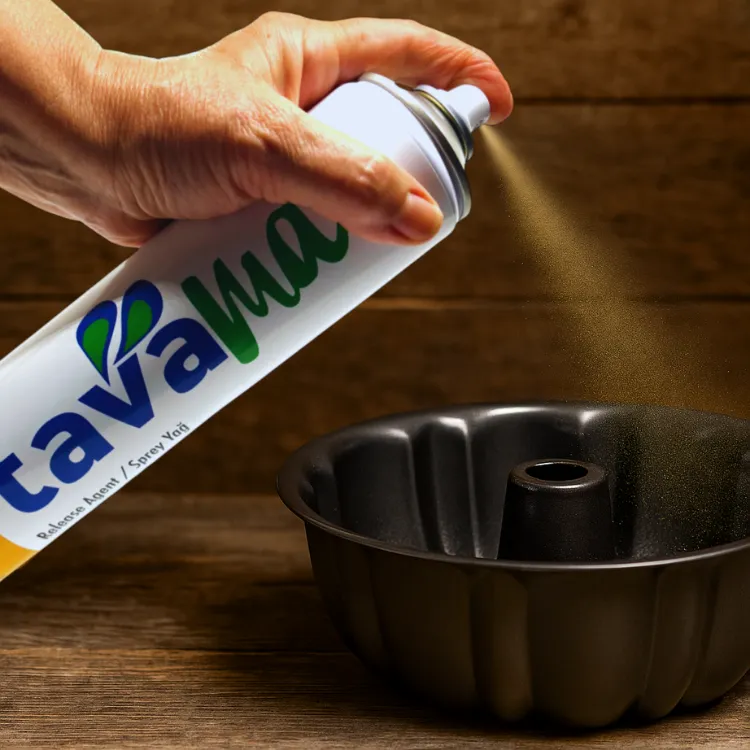
Modern industrial cake production relies on efficient, high-speed processes to produce large volumes of cakes consistently. A key factor in these operations is the use of non-stick pan oils (also known as release agents) to ensure baked cakes release easily from their molds. These food-grade oils create a thin barrier between the batter and the pan, preventing sticking and protecting both the product and the equipment. The following sections provide an overview of the cake manufacturing process and examine the critical role of non-stick oils in product quality, production efficiency, and sustainability.
Industrial Cake Production Process Overview
A high-volume industrial baking line for cakes or loaves, showing products moving along a conveyor. In a typical industrial cake production line, the process is highly automated and designed for continuous throughput. Large mixers prepare the batter, which is then deposited into rows of baking pans or molds. The pans are usually coated or sprayed with a non-stick oil before filling, ensuring the cakes can be removed without sticking.
The filled pans travel through an oven (often on a conveyor) for baking, after which the cakes are depanned (removed from the molds) and sent to cool before packaging.This streamlined flow allows manufacturers to produce high volumes of cakes efficiently while maintaining consistent quality. Key stages in an industrial cake production process typically include:
Mixing: Combining ingredients (flour, sugar, eggs, flavorings, etc.) in industrial mixers to form the cake batter.
Pan Preparation & Filling: Coating baking pans/molds with a release oil and depositing measured amounts of batter into each mold.
Baking: Conveying the filled pans through large ovens where the batter bakes into cakes.
Depanning (Unmolding): Removing the baked cakes from the pans using automated depanning equipment, enabled by the non-stick coating.
Cooling & Packaging: Cooling the cakes (often on conveyor belts) to room temperature, then packaging them for shipment.
The Critical Role of Non-Stick Oils in Mold Performance and Product Quality
In industrial baking, non-stick oils play a critical role in ensuring that cakes separate cleanly from their molds, directly impacting product quality and yield. By providing a lubricating barrier, the release oil prevents the cake from tearing or leaving pieces behind upon removal. This means each cake retains its intended shape and detail, and there is minimal wastage from damaged products. Moreover, because sticking is avoided, there is less residue burnt onto the pans, which makes equipment cleaning easier and protects the molds from excessive wear.
In fact, the use of release agents significantly improves final product quality while also contributing to a cleaner operation with less food waste and buildup on pans, thereby prolonging the life of the baking equipment. Without adequate release oils, bakeries would face frequent issues with both product and equipment. Cakes that adhere to the pan tend to break or deform when forced out, leading to subpar products and more scraps. Stuck-on remnants can also carbonize on the pan, affecting heat distribution and requiring intensive cleaning. The absence of a proper release agent often results in increased line stoppages (to pry out stuck cakes or scrub pans) and more downtime for pan cleaning.
These problems ultimately reduce efficiency and can raise costs. Thus, using the right non-stick pan oil is crucial for maintaining smooth production and consistent, high-quality output.
Properties of Oils Used: Heat Resistance, Food Safety, Production Efficiency, etc.
Not all oils are suitable as release agents in industrial cake production — they must meet specific performance criteria. Key properties of an effective non-stick pan oil include:
Heat Resistance: Able to withstand high baking temperatures without burning or smoking. Oils with a high smoke point and thermal stability (around 200°C or higher) are preferred to ensure they remain effective throughout the bake.
Food Safety: Fully food-grade and safe for consumption. The oil should be made of edible ingredients and free from harmful chemicals, so it does not impart any off-flavors or pose food safety risks.
Effective Coating: Forms a thin, even film on the pan surface with good adhesion even at high temperatures.
This ensures complete coverage of the mold without needing excessive quantities, and avoids pooling or dripping.
Non-Reactivity: Does not react with the cake batter or dough. A good release oil remains inert, so it won’t interfere with the leavening, flavor, or texture of the cake.
Pan Protection: Protects the pan itself from corrosion or batter residue build-up. The oil’s coating can act as a shield that keeps moisture and acids from the batter off the metal surface, helping to extend the pan’s lifespan.
Allergen-Free & Stable: Ideally, the oil should not introduce common allergens (unless clearly labeled) and should remain stable over time. Many bakeries use formulations that are hydrogenated-oil-free and made with refined, allergen-free ingredients for broadest compatibility.
The oil should also have good shelf stability (resistant to oxidation) so its performance remains consistent.
How Proper Oil Usage Reduces Product Losses and Cleaning Time
Using the right type and amount of release oil not only improves quality but also boosts overall efficiency. Proper application of non-stick oil ensures that cakes come out easily, which means fewer rejects and less waste. Each cake released intact is one less cake thrown away, so product yield is maximized. Additionally, if the oil is applied optimally, there will be minimal residue left on the pans. This translates to shorter cleaning times and less frequent need for stopping the line to wash or scrape pans. In a well-tuned operation, release agents help keep equipment clean for longer periods, significantly reducing downtime and improving line efficiency.
Some of the key benefits of proper release agent use include:
Minimized Product Waste: Fewer cakes are damaged or left sticking to pans, which reduces scrap and product loss.
Reduced Cleaning Frequency: Less batter sticking or burning onto pans means cleaning can be done less often and more quickly, saving labor and time.
Higher Throughput: With fewer unscheduled stoppages and easier pan turnaround, the production line can run faster and more smoothly.
Lower Costs: Improved yields and efficiency lead to savings on ingredients (less wasted batter) and maintenance. Pans also last longer when they’re not subjected to aggressive scraping or frequent chemical cleaning.
On the flip side, using too little or the wrong kind of oil leads to sticking and lost product, whereas using too much oil can create greasy puddles or baked-on gum that also slows down cleaning. Therefore, optimal usage is key — following manufacturer guidelines for spray equipment and oil dosage helps achieve the best results. When done correctly, implementing an effective release agent strategy noticeably streamlines production with fewer hiccups and greater consistency in output.
Sustainability and Environmental Impacts
Beyond immediate production benefits, the use of non-stick pan oils also has implications for sustainability and the environment. Many release agents used in baking are plant-based oils (such as canola, sunflower, or palm) blended with natural waxes or emulsifiers, meaning they come from renewable resources. Using vegetable-derived oils instead of petroleum-based greases is generally more eco-friendly, and food-grade oils are often biodegradable.
Additionally, choosing formulations without harsh chemicals or allergens aligns with “clean label” trends, which can indirectly benefit both consumer health and environmental safety. Proper use of release oils can help minimize environmental waste in the bakery. For one, preventing cakes from sticking means less food waste overall — every cake successfully released is less product thrown away.
This represents a better use of raw ingredients and the energy that went into baking them. Secondly, efficient release reduces how often pans need to be washed or scrubbed. Less frequent washing translates to savings in water and cleaning chemicals, and it reduces the fat, oil, and grease that end up in wastewater streams. In fact, moving toward water-based release agents (instead of purely oil-based ones) can significantly lower the oil and grease content in a bakery’s effluent, easing wastewater treatment and lowering environmental impact.
By reducing waste and optimizing cleaning, bakeries not only improve their bottom line but also contribute to sustainability goals through resource conservation and reduced pollution.